tv

You are currently browsing articles tagged tv.

Look, I’ve been thinking about this stuff all week and I can’t decide. So over to you. Scroll down for a Proper Scientific Poll on the Internet! What media stuff would you like me to do?

I last wrote about this in January, in Five questions and no answers about my media work. Read that before proceeding if you like, but it’s not absolutely necessary.

My regular media commitments currently stand at: a weekly column for ZDNet; a twice-a-month column for CSO Online; around one column a month for Technology Spectator; and a variable number for Crikey. Add in the occasional piece elsewhere, and it looks a little like this.

Media objects produced 2011–2013

The main problem is that the base level of material isn’t high enough, and in recent months it’s started getting a little wobbly. So, how can I build on what I’ve got? And how can I have a bit more fun?

Read the rest of this entry »

Screenshot from ABC TV's The BusinessA strange thing happened yesterday. A distributed denial service (DDoS) attack, a big one, got reported in the mainstream media as having somehow all but crippled the internet — despite all the journalists presumably continuing to use the internet as usual.

“The internet around the world has been slowed down,” reported the BBC. Um, no.

Now I won’t go through all the details here, because eventually they were properly reported elsewhere and I’m writing it up for Technology Spectator in a piece to be published Tuesday morning. The short version is that a nuanced report on Kaspersky Lab’s Threatpost lost its nuance in the mainstream media, a process helped along by a data-plotting error in early reports. People like Gizmodo hosed down the bulldust.

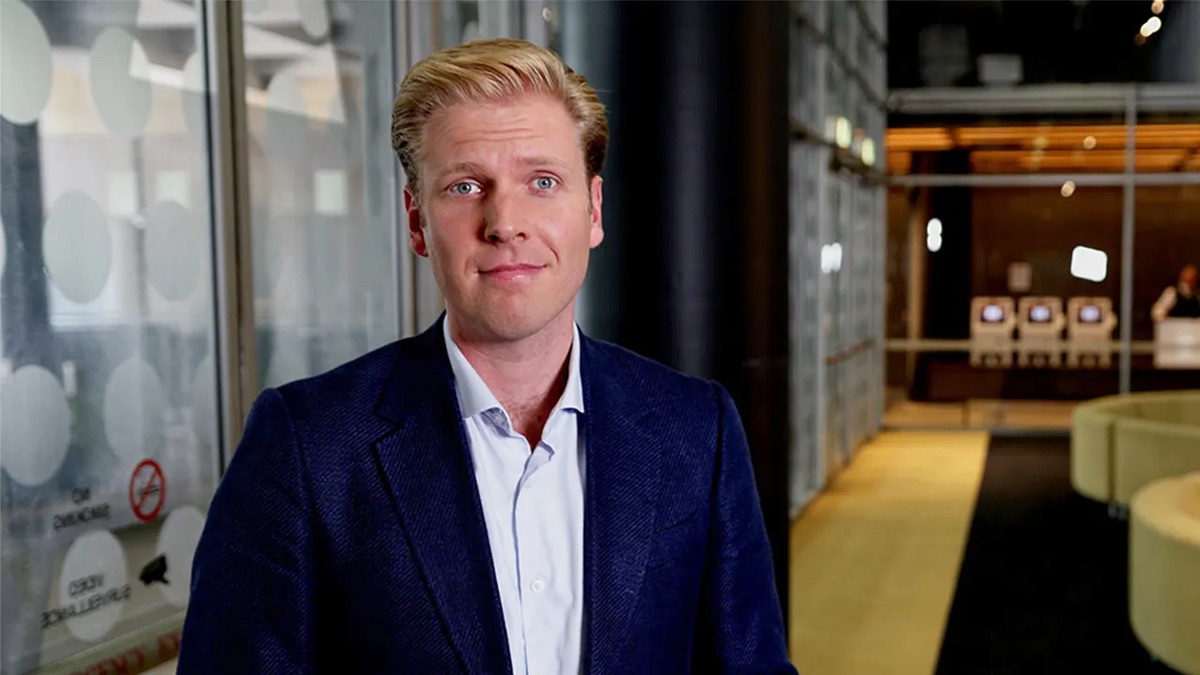
However I was interviewed by ABC TV’s The Business yesterday, along with Patrick Gray of the Risky Business information security podcast and Ty Miller from penetration testing firm Pure Hacking.

If the embedded video doesn’t work, try the version at the ABC’s website. In both cases the video is ©2013 Australian Broadcasting Corporation.

I’ll also be talking about this DDoS attack on ABC News24 tomorrow morning at 1010 AEDT — and after both of those I’ll ponder the way the media handled this whole thing.

Screenshot of Stilgherrian on The Project, 14 March 2013The trial of the alleged murderer of Melbourne journalist Jill Meagher revealed (at least to those who were previously unaware) the importance of evidence gleaned from people’s smartphones.

Last Thursday 14 March I ended up talking about that on Channel TEN’s The Project, following a package that featured Gizmodo Australia editor Luke Hopewell.

Just like my previous appearance on The Project, which is produced in Melbourne, I was beamed in from Sydney while sitting in front of a green screen. This time I even managed to get a picture of what it looked like from my point of view.

The video of the four-minute segment is embedded over the jump — which is immediately below if you’ve come directly to this page.

Read the rest of this entry »

Screengrab of Stilgherrian on "7.30": click for storyI was interviewed by ABC TV’s current affairs program 7.30 on Wednesday about the hack of an ABC website, in a story called Hacker attacks ABC, private information released.

The hack was apparently in revenge for the Lateline interview with controversial Dutch politician Geert Wilders. The tweet claiming responsibility for the attack used the #OpWilders hashtag, the label for Anonymous’ ongoing protects against Wilders, but the operators of known Anonymous social media accounts are distancing themselves from this one.

Parts of the interview were also used in that night’s episide of Lateline, and a written story for ABC News Online.

It’s my third appearance on 7.30. I’ve previously spoken about the News of the World voicemail hacks and Anonymous’ hack of Stratfor.

ABC logoLast week, reportedly, Twitter spent $100 million buying Bluefin Labs, a media analytics company that claims to be able to provide details semantic analysis of Twitter chatter about TV programs.

I ended up talking about this, and about social TV and other things, with Richard Aedy on ABC Radio’s Media Report.

Twitter has just bought a company that trawls social media to find out what people are saying about television programs. Stilgherrian believes Twitter sees itself more and more as a media and analytics company as opposed to a social communication company. So what is Twitter planning to do with information about what people say online about programs they love and hate?

It’s nice that Mr Aedy and his producer trust me to go live on National Radio. Yes, I behaved myself.

Play

The audio is ©2013 Australian Broadcasting Corporation, and this is just a copy of the audio that’s posted on the program website.

With a blog post to write, I now have everything I need: click to embiggenAs my first full working week for 2013 draws to a close, almost, here’s an update on how I’m thinking this year might unfold for me. At least as far as work goes.

(If you’re not up to speed on this, please read Doing the business on Stilgherrian’s journalism and Death of a Freedom Fighter, a writing challenge before continuing. The second one includes an explanation of my focus on how the internet is changing power relationships.)

First, there’s a tidy-up of my arrangements with mastheads I currently write for. That’s already delivered two changes. Crikey has given me a pay rise, to a level they now describe as “slightly less pathetic”. I’ve started pitching more stories, and that’s resulted in three stories this week. And there’s this as-yet unnamed sky-shouting column in the works, which will start soon.

Second, I’m thinking of doing a few self-funded projects — or at least projects for which I directly arrange funding — rather than through someone else’s masthead. There’s all sorts of ideas rolling around in my head, though I haven’t reached any firm conclusions yet.

Read the rest of this entry »

Last week the High Court of Australia denied Optus leave to appeal the Optus TV Now decision, which means their “video recorder in the cloud” service isn’t legal — and that was the topic for my spot on Phil Dobbie’s Balls Radio this week.

The conversation bounced off the analysis I’d written the day before for Technology Spectator, TV Now’s cloud complications.

As usual, the conversation wandered to other matters as well, such as the early broadcast radio industry selling receivers that could only receive one station.

Here’s the audio of my segment. If you’d like more, Mr Dobbie has posted the full episode.

Play

You can hear us talk live every Tuesday night from 7pm AEST on Sydney’s FM 99.3 Northside Radio.

I’m fairly sure that copyright remains with Mr Dobbie rather than being transferred to Northside Radio, but I’ll figure that out later.

If you watch episode 1 of Gerry Anderson’s gloriously sexist 1970 television series UFO, you will discover that he invented the best machine in the entire universe. That is all.

The Flame worm seems to have captured the imagination of the mainstream media this week — to the point where I ended up talking about it on the Channel TEN program The Project on Tuesday night.

If you’re not up to speed yet, try my day one piece for Crikey then my day two piece for CSO Online — the latter having been written after we’d all calmed down a bit.

As you can see, I’ve uploaded the relevant video clip to YouTube because I can’t seem to get the official embed code from The Project’s website to work properly. If that YouTube embed isn’t working either, you can view the segment on YouTube. Or watch the entire program segment on The Project’s website.

Yes, The Project team really did manage to turn a discussion of cyberwar into a joke about masturbating to internet pornography. It’s a talent.

Read the rest of this entry »

This morning I was interviewed by ABC News 24 about the “Dark Web”, a term Fairfax news outlets used earlier this week in a story headlined The new underbelly. Since I was at the event in Sydney that triggered the writing of that story, I was happy to tone down some of the hype-scare.

By the “Dark Web” they meant things like Silk Road, a marketplace for all manner of illegality, and the Tor anonymity network that allows Silk Road to hide… somewhere.

I’ll update this post later today to include links to the other things I discussed with presenter Andrew Geoghegan.

If the embedded video doesn’t work for you, you can watch it over on YouTube.

This is a rough copy of the video for now. I’ll upload a better version as soon as it becomes available, though that’ll still have me staring mindlessly into the distance as I’m being introduced. Sigh. The footage is ©2012 Australian Broadcasting Corporation.

« Older entries