Years ago, a bloke got frustrated at the end of a long day, and swore a bit. And suddenly the entire fucking media in this country is buzzing around this one pissy little story like blowflies to the corpse of a dead horse.
Yes, less than two days since I posted episode 18, today’s bullshit reportage on a video in which former prime minister Kevin Rudd swears a few times — shock horror! — and a bunch of unsubstantiated rumours from Canberra have triggered this episode.
Just look at this crap, from ninemsn. Even the ABC, which is supposed to be a credible, non-sensationalist news outlet, covers the swearing but then has two “related stories” about the speculation about a leadership challenge, that the cabinet is supposed repeatedly testing support for Julia Gillard and that attorney-general Nicola Roxon had declared her support for her.
The Australian has at least six stories linked from its home page, including some irrelevant commentary from opposition leader Tony Abbott and even Rudd saying he’d do it differently now.
Seven is reporting that independent MP Andrew Wilkie reckons Rudd will launch a challenge, describing the video as “explosive”.
This entire episode is an embarrassment. It’s this sort of Canberra pseudo-insider bullshit that’s precisely the reason I don’t read newspapers or their websites and don’t watch TV news. It’s all a sideshow, the so-called journalists who perpetuate this bullshit know it, and yet they continue to do it.
Why?
Well I think I know why this fucktardery happens, and I have a modest proposal for fixing it.
You can listen to the podcast below. But if you want all of the episodes, now and in the future, subscribe to the podcast feed, or even subscribe automatically in iTunes.
Podcast: Play in new window | Download (Duration: 16:10 — 10.9MB)
Um, except… no… oh fuck no, not this!
News has just come through — well, Dennis Shanahan says — that Rudd’s leadership challenge is on. Really. May God have mercy upon our souls.
If you’d like to comment on this episode, please add your comment below, or Skype to stilgherrian or phone Sydney +61 2 8011 3733. Not that anyone ever does.
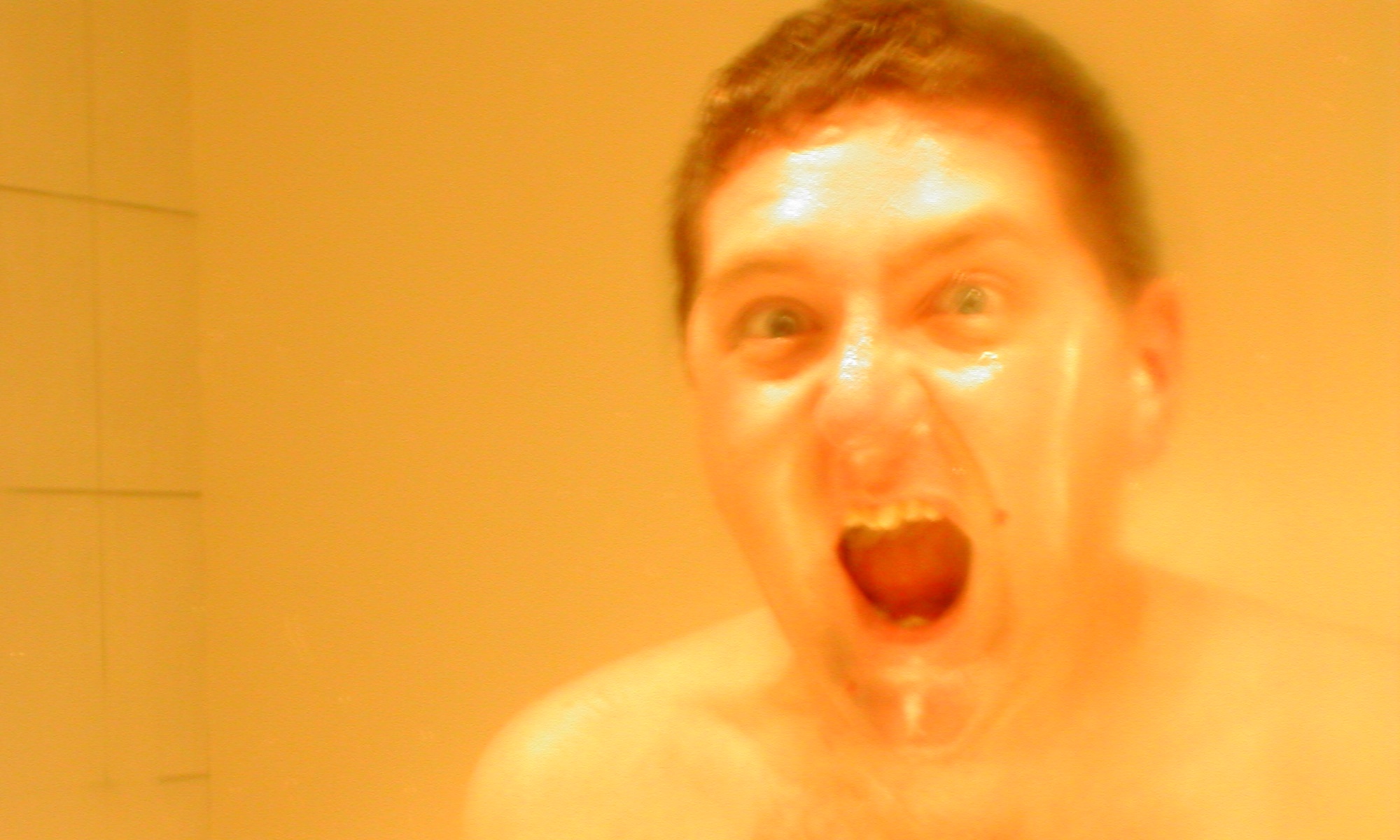
[Credits: Audio grabs from ABC News24 and, of course, the video in question. The 9pm Edict theme by mansardian, Edict fanfare by neonaeon, all from The Freesound Project. Photograph of Stilgherrian taken 29 March 2009 by misswired, used by permission.]
 The Optus TV Now decision continued to be “important” news throughout the week, with