
As in previous years, the list of most popular posts for 2013 was disappointing, so I’ve hand-curated this list of seven stories for you to consider instead.
As usual, this does not include the material I wrote elsewhere, for ZDNet Australia, Technology Spectator, CSO Online, Crikey, ABC The Drum and the rest. That’s all listed on my Media Output page, although I’ll probably highlight a few articles of enduring interest some time in the next few days.
- See this, folks? It’s a picture of democracy, being my defence of the Daily Telegraph’s right to conduct whatever party-political campaigning they like. Even if you don’t like it, the newspaper does still have freedom of political speech.
- Microsoft has banned me from covering TechEd, which I still consider to have been an ill-thought move on their part.
- My guest lecture in March to first-year journalism and media studies students at the University of Technology Sydney (UTS) on Algorithms and the Filter Bubble, plus the updated versions from August, Take 2A and Take 2B. All three are available as audio files, plus the accompanying slides.
- Why people who say “train station” sound stupid, being my first foray into computational linguistics.
- My fish are dead: the black dog ate them (an explanation?), being an announcement and discussion about my encounter with severe depression this year — something which still has a significant impact on my life.
- Six Pigeons for Jeffrey, being my personal photographic tribute to this fascinating Australian artist.
- Hillary’s mangoes, no NSA involved, which is more about the daft reactions to Edward Snowden’s revelations of the NSA’s surveillance operations.
If you’d like to compare this with previous years, try these:
 On Friday 13 December I recorded some grabs for the Channel TEN program The Project, which were used that night in a story about Google’s idea of putting microphones in your house so that their “digital assistant” software could figure out how it could help you next.
 Back on 13 December I was a guest for the recording of the
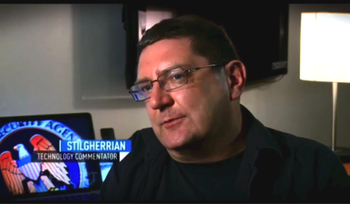 The revelation that the US National Security Agency (NSA) was engaged in such comprehensive spying of American citizens and their allies, some of it possibly unconstitutional, continues to make headlines.